
Keeping up versus catching up
 Real work
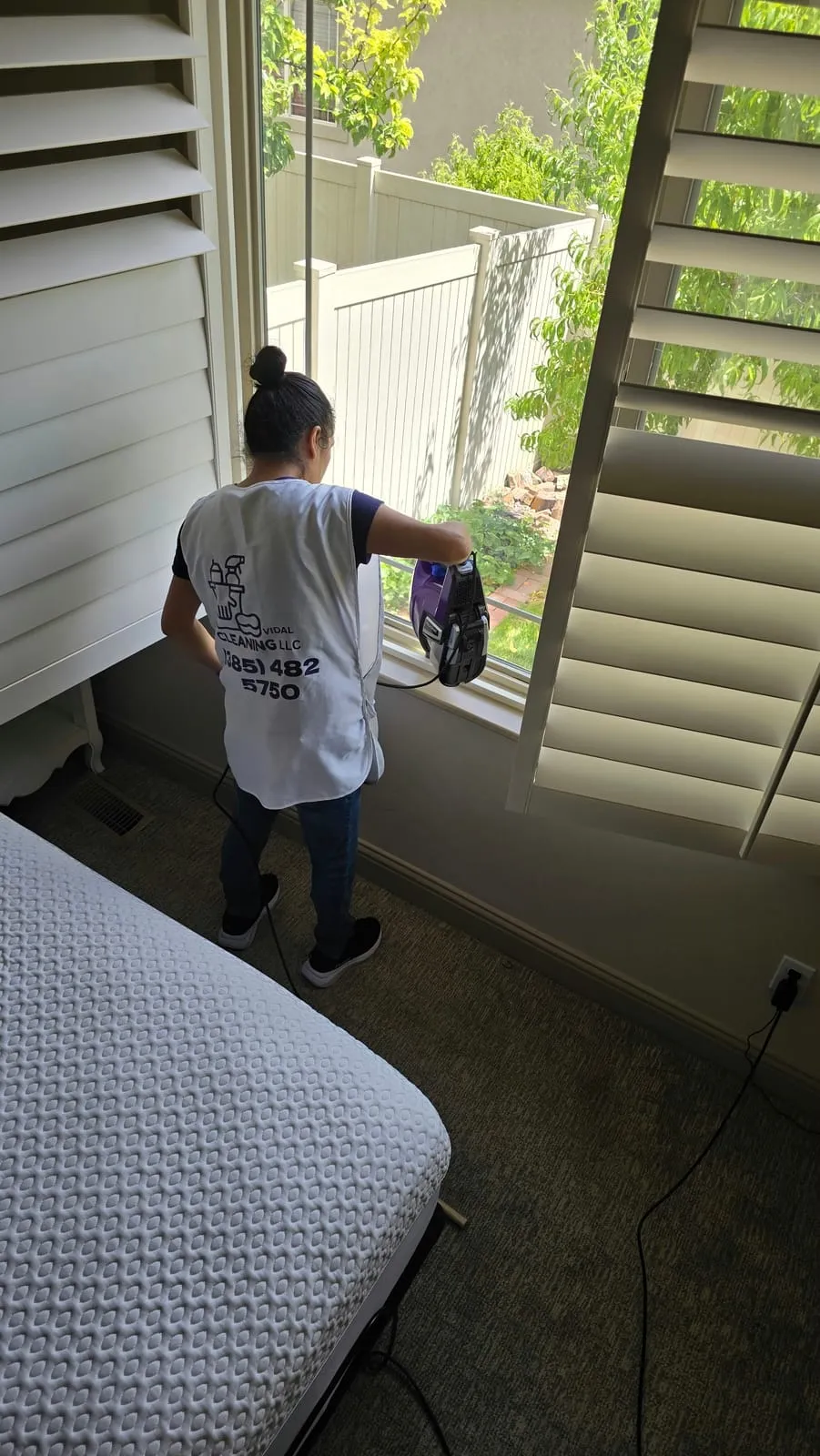
A regular cleaning keeps up. It repeats the same work on the same rooms every week, every two weeks or every month, so dirt never has time to settle. Because the visits are frequent, each one moves quickly and the house feels cared for all the time.
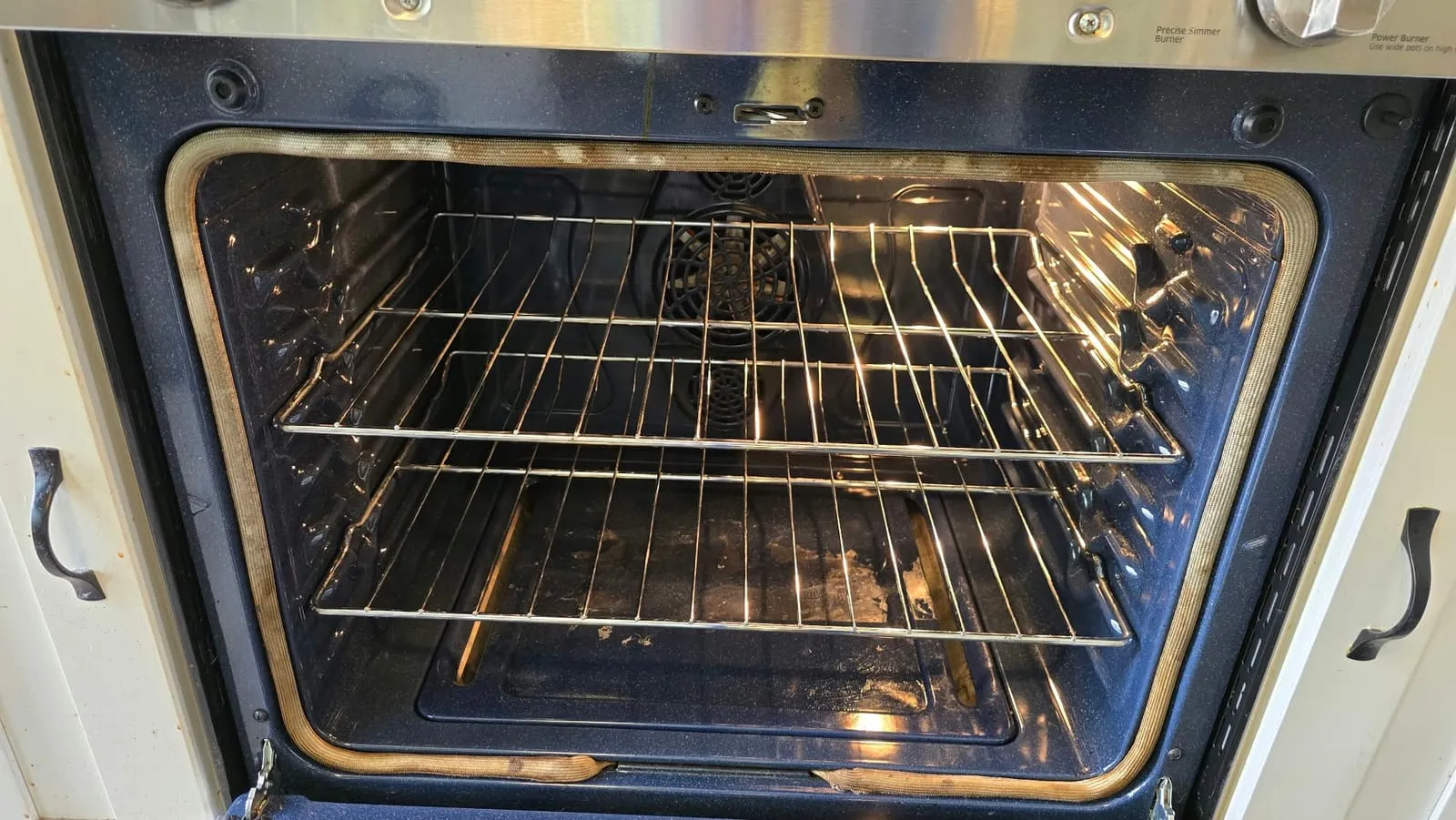
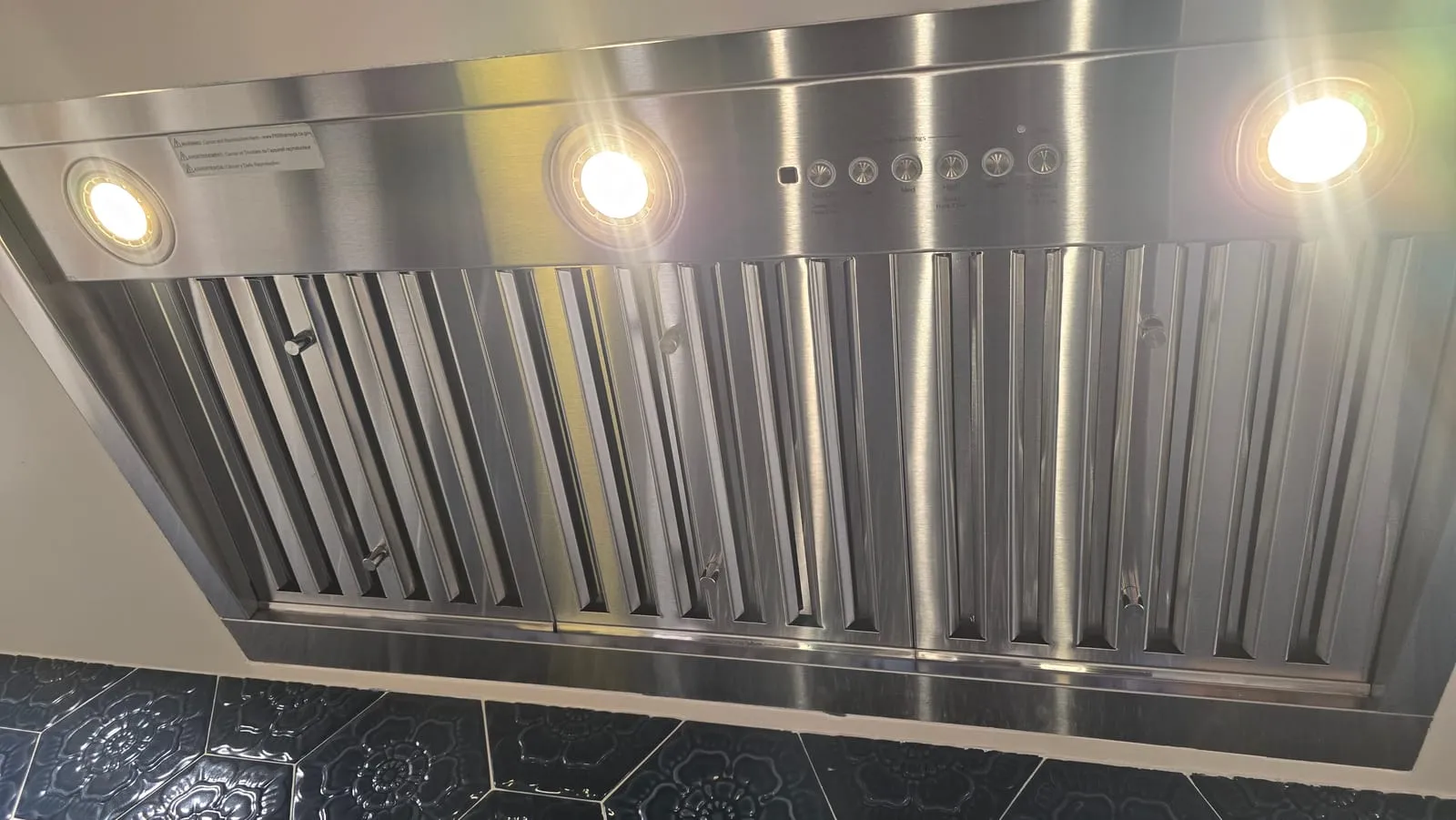
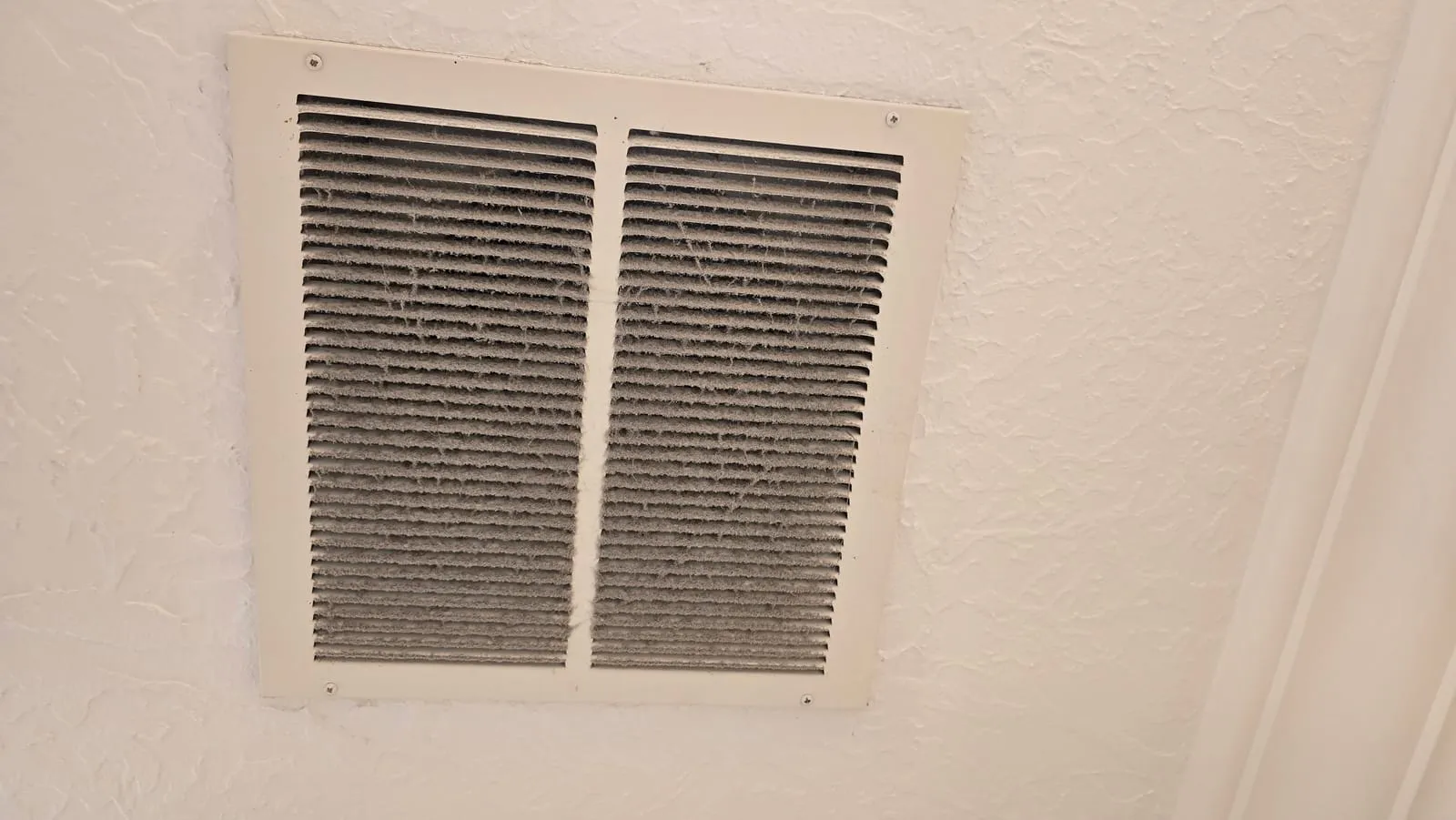
A deep cleaning catches up. It goes after the buildup that a normal routine skips because nobody has the time: the grime on top of the fridge, the film on cabinet doors, the dust packed into baseboards and vents. It is slower, it means moving things and reaching high and low, and it usually happens a few times a year or before a regular schedule begins.
Most homes need both. The deep clean resets the house once, and the regular visits keep it from sliding back.
What a regular visit covers
 Real work
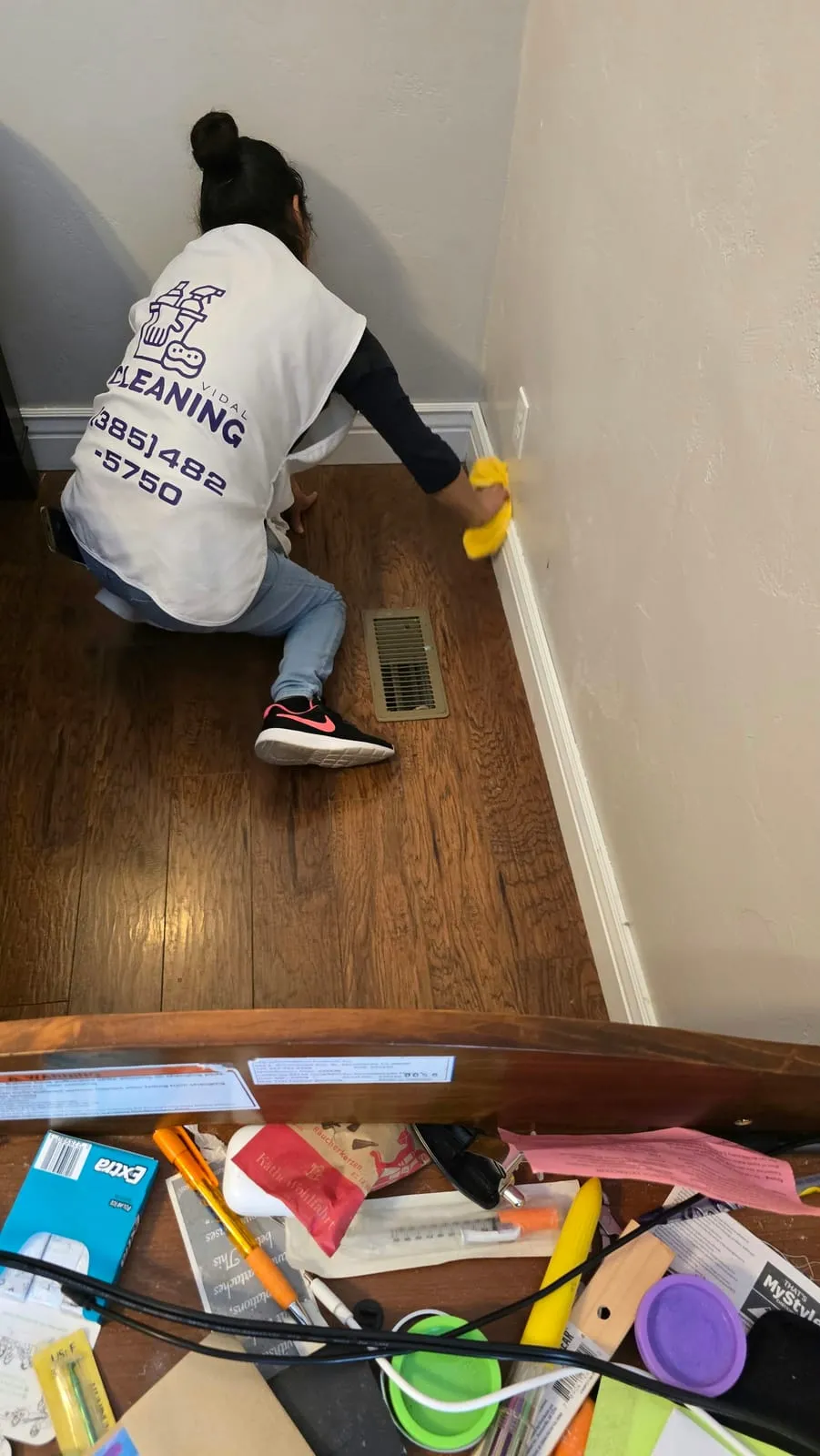
Think of the surfaces your family touches, walks on or sees every day. A regular visit handles those, room by room, in the same order each time so nothing gets missed.
What a deep cleaning adds
 Real work
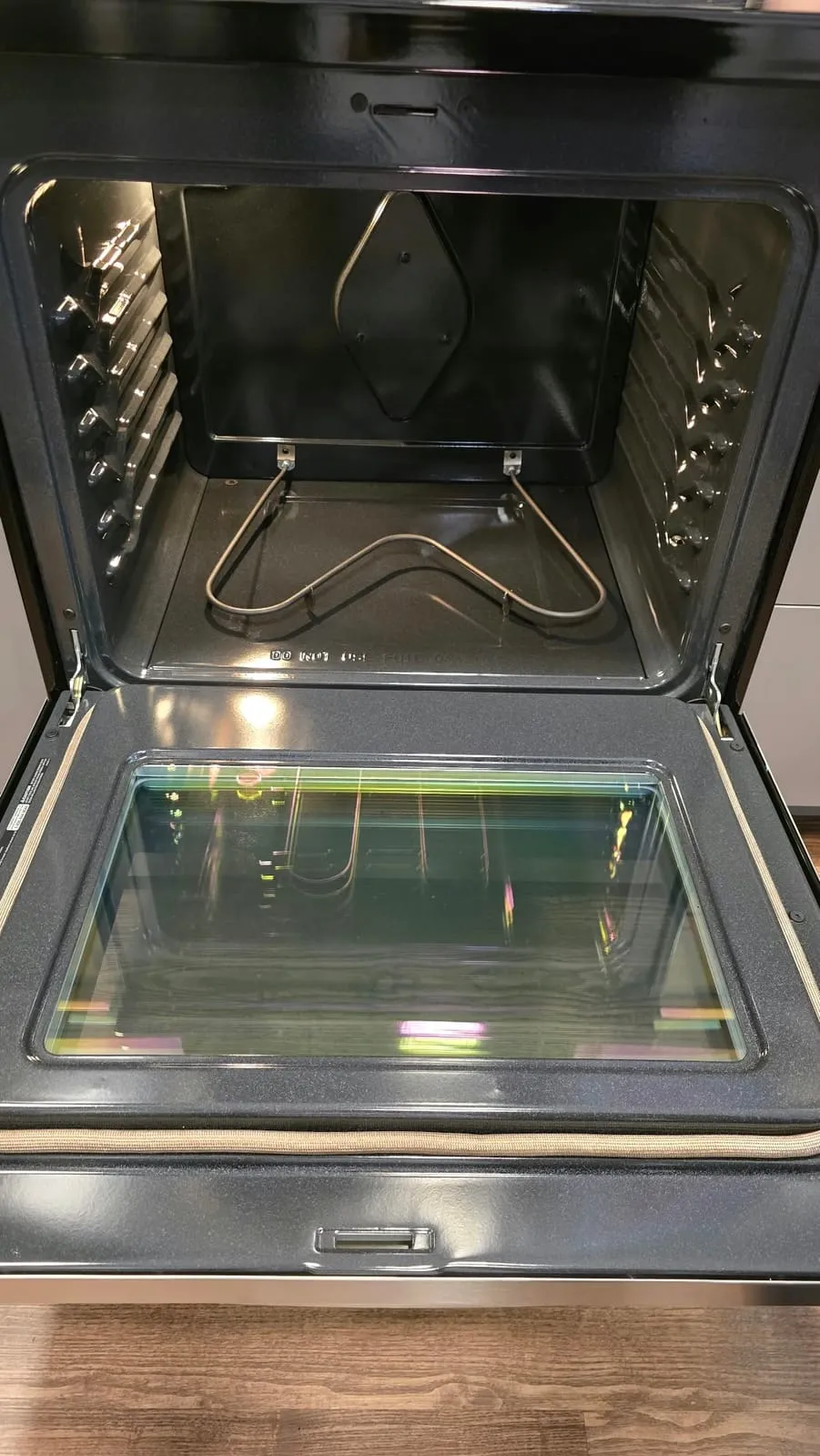
Everything in a regular visit, plus the slow, detailed work below. On a first deep clean we often spend more time on the kitchen and bathrooms than on the rest of the house combined.
Utah’s hard water: the buildup regular cleaning can’t win alone
 Real work
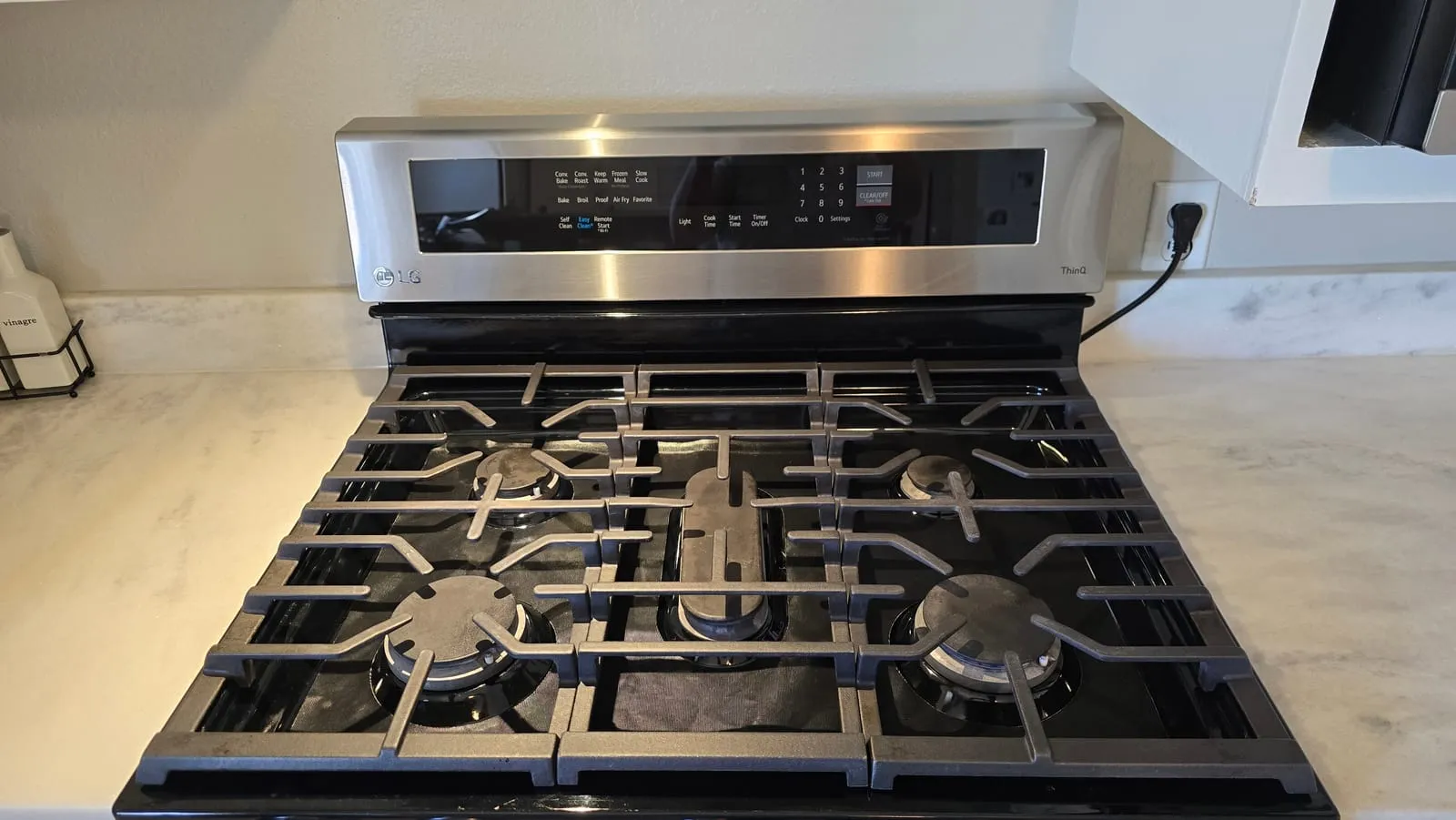
Hard water is common along the Wasatch Front, and it shows up as white spots on shower glass, a crust around faucets and a cloudy ring in toilets and sinks. A regular visit wipes the fresh spots away. What it cannot do in the time it has is dissolve months of layered minerals.
That layered buildup needs a mineral-deposit remover, time for it to work, and patient scrubbing with a pad that won’t scratch. That is deep cleaning work. Once it is gone, regular visits can keep up with it, which is exactly why we recommend a deep clean before starting a recurring schedule in a home where the shower glass has turned foggy.
One tip that helps between visits: a squeegee on the shower glass after the last shower of the day slows the buildup a lot.
Winter salt, spring dust and the seasonal reset
 Real work
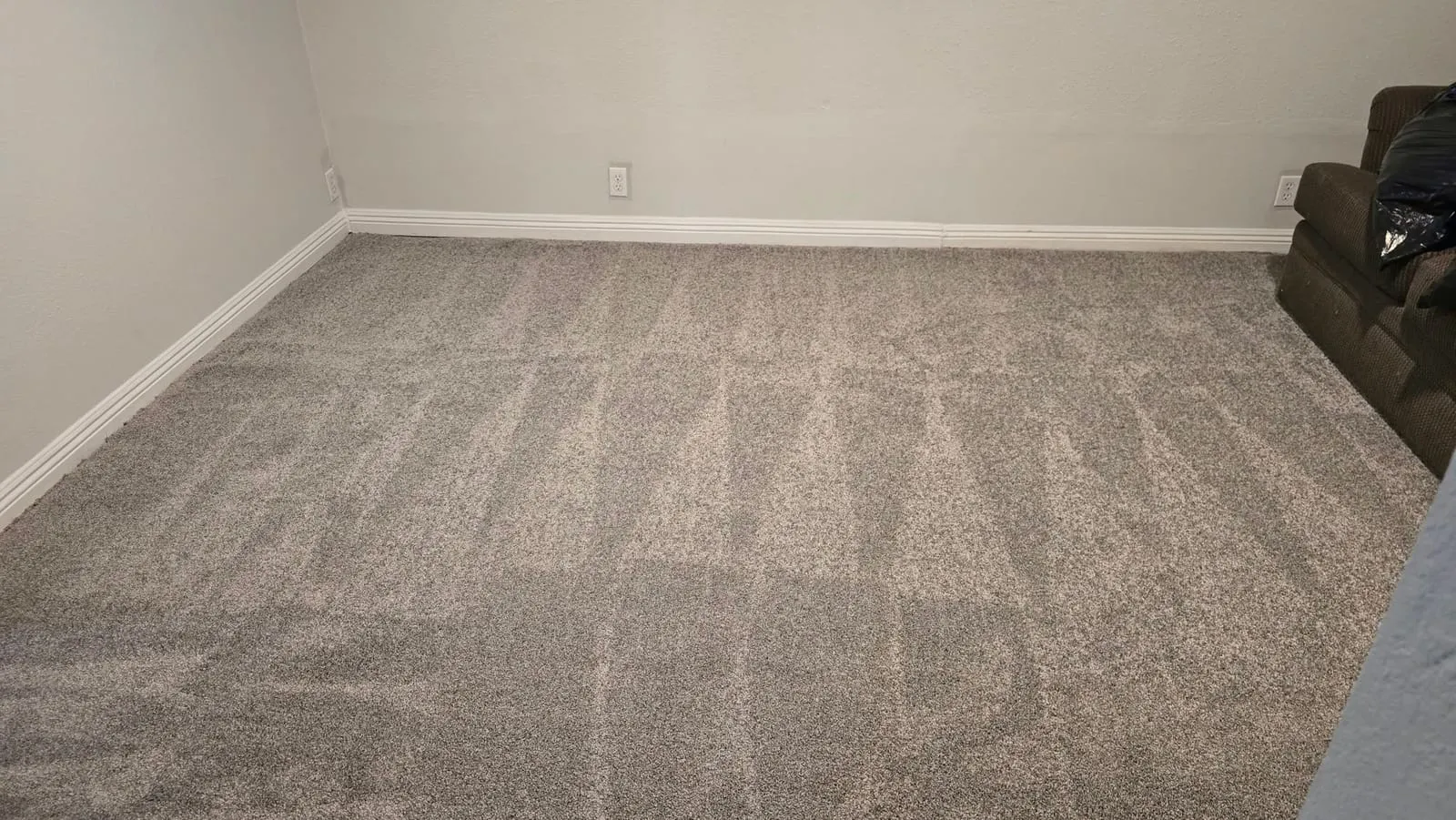
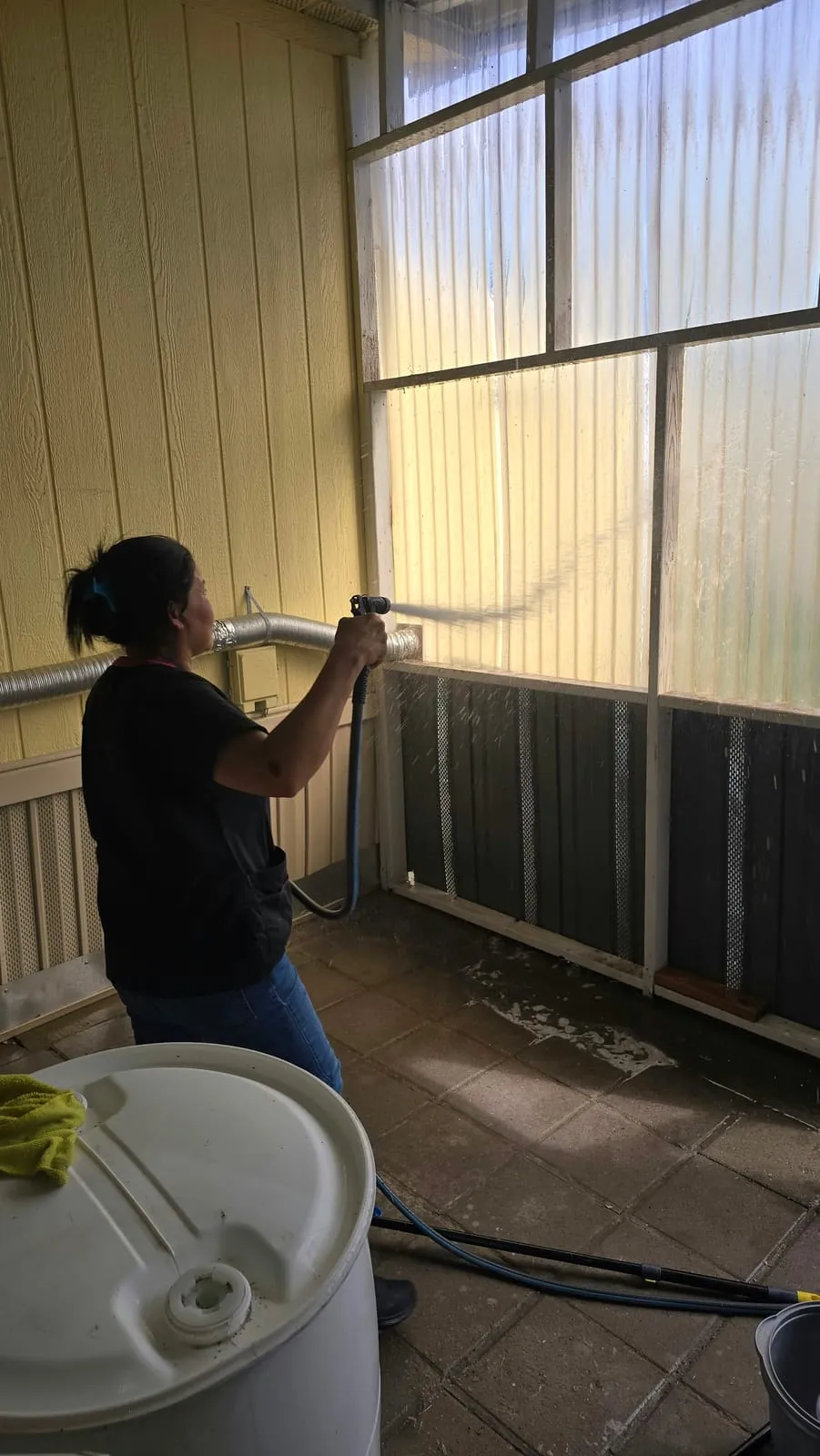
From the first snow until spring, boots bring salt and slush inside every day. Salt dries into a white haze on entry tile and hardwood, gets ground into carpet near the doors and splashes onto the lower part of walls and baseboards. Regular visits keep the floors under control, but by the end of winter the edges, mudroom and garage entry usually need more.
Then spring arrives with wind and dust, and the windows open for the first time in months. That fine dust settles on sills, blinds, fan blades and the tops of door frames. A spring deep clean, scheduled after the last big storm, clears out the winter and gets the house ready for the season of open windows and barbecues.
The basement question
 Real work
Basements are very common in Utah County homes, and they live a different life from the main floor. In some families the basement is the busiest floor in the house, with kids, a second family room and guests. In others it is storage and a spare bedroom that nobody opens for months.
A busy basement belongs in your regular cleaning, just like any other floor. A quiet one usually doesn’t need weekly attention, but it collects dust, cobwebs in window corners and stale air, so it makes sense to include it in each deep clean. Tell us at the estimate how your family uses it and we will plan around that.
Deep cleaning vs regular cleaning: which one do you need now?
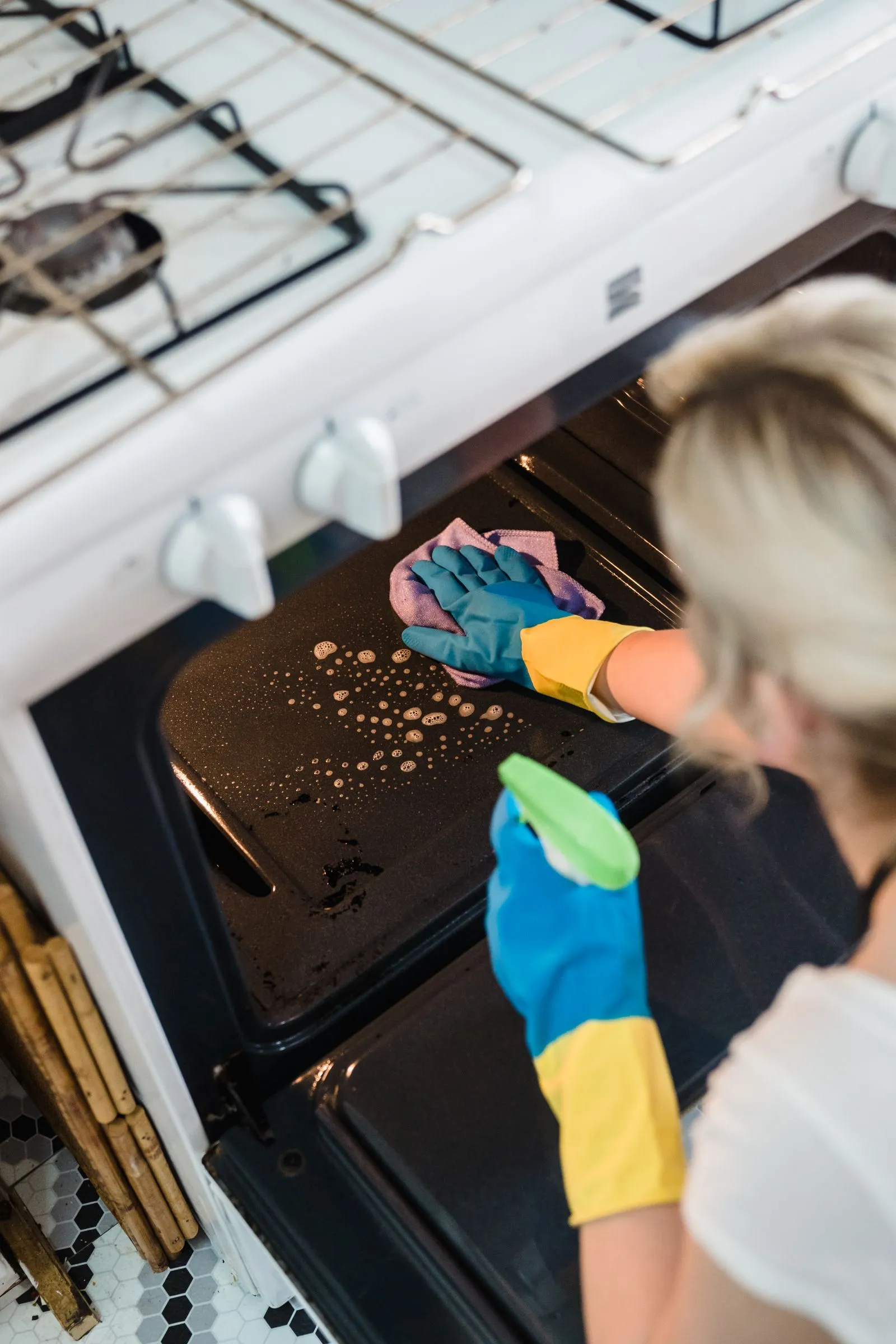
Answer these honestly. If you check two or more, start with a deep cleaning and move to regular visits after. If you check none, a regular schedule is probably all you need.